


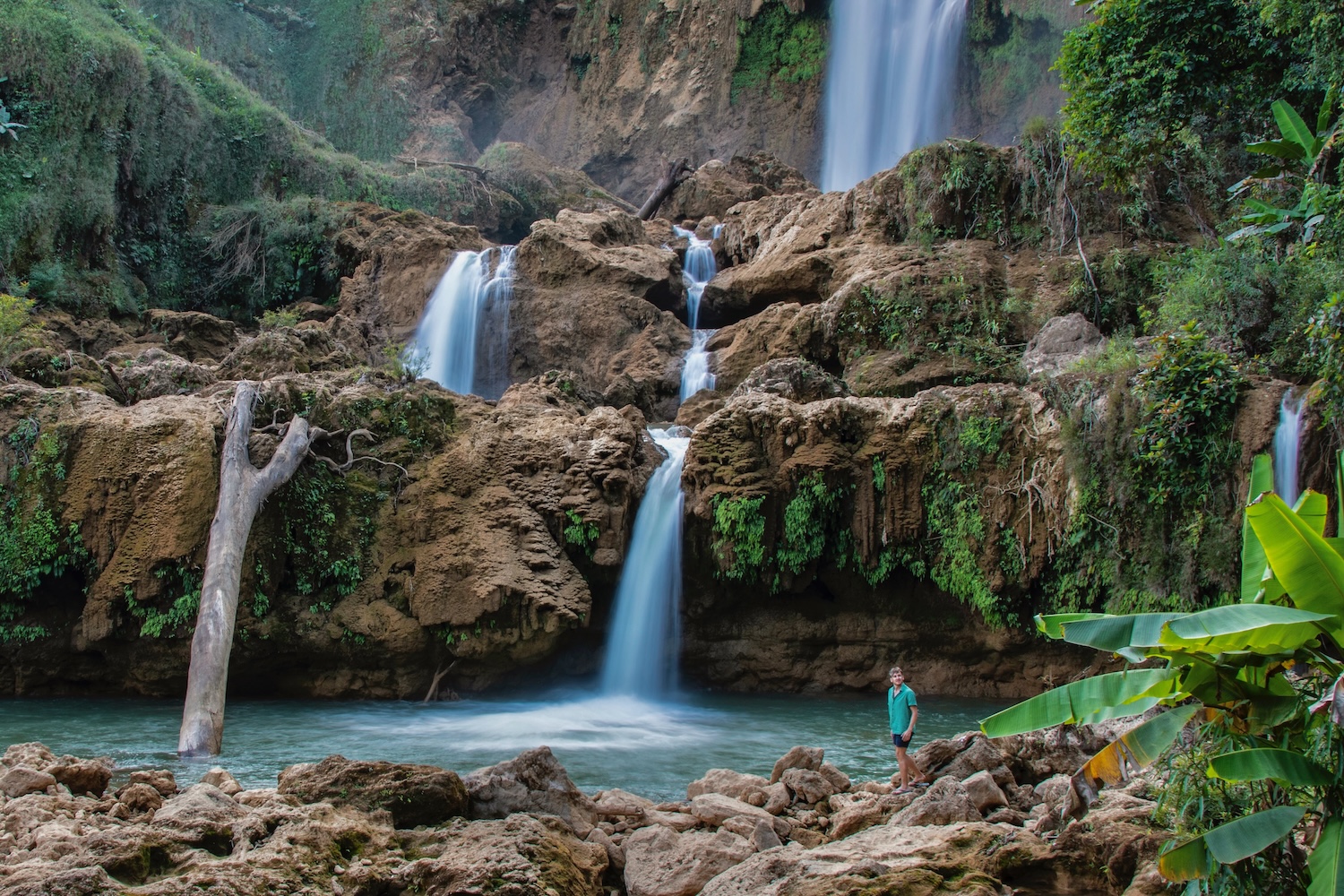
Thailand, as I have often stated on this website, is much bigger than it appears to be on the map. This is a particularly harsh reality if you come from a very large country like the US, Canada or Australia.
To frame it another way, you’ll need more time in Thailand that you likely expect. I can’t tell you how many people contact me about my Thailand itinerary planning service and tell me, in total seriousness, that they expect to be able to go “everywhere” in Thailand in that amount of time.
In reality, even if you have a month in Thailand (which, of course, is the topic of today’s post), you’ll still need to pick and choose your destinations and experiences. But you can get pretty close to a comprehensive trip—particularly if you follow the advice I share below.
Who Should Spend a Month in Thailand?
If you’ve never been to the Kingdom, one month in Thailand sounds like a long time. This is especially true if you come from places like Canada, Australia or the US, which are many times larger than Thailand. In reality, you’ll cover less ground in Thailand than you would in countries such as these, both due to infrastructural deficiencies, as well as a generally slower (and, at the same time, more chaotic) pace of life.
Assuming devoting a month to travel isn’t an issue for you, a month in the country will suit you well if you fall into one of two camps. Some travelers will simply want to maximize the number of places they visit in Thailand, even if they only stay a couple of days in each. Others will want to dig deep into particular regions, be that the beachy south, the lush north or the eclectic provinces that encircle Bangkok. Now, let’s talk about what to do in Thailand for a month.
How to Spend a Month in Thailand
Begin (and end) in Bangkok
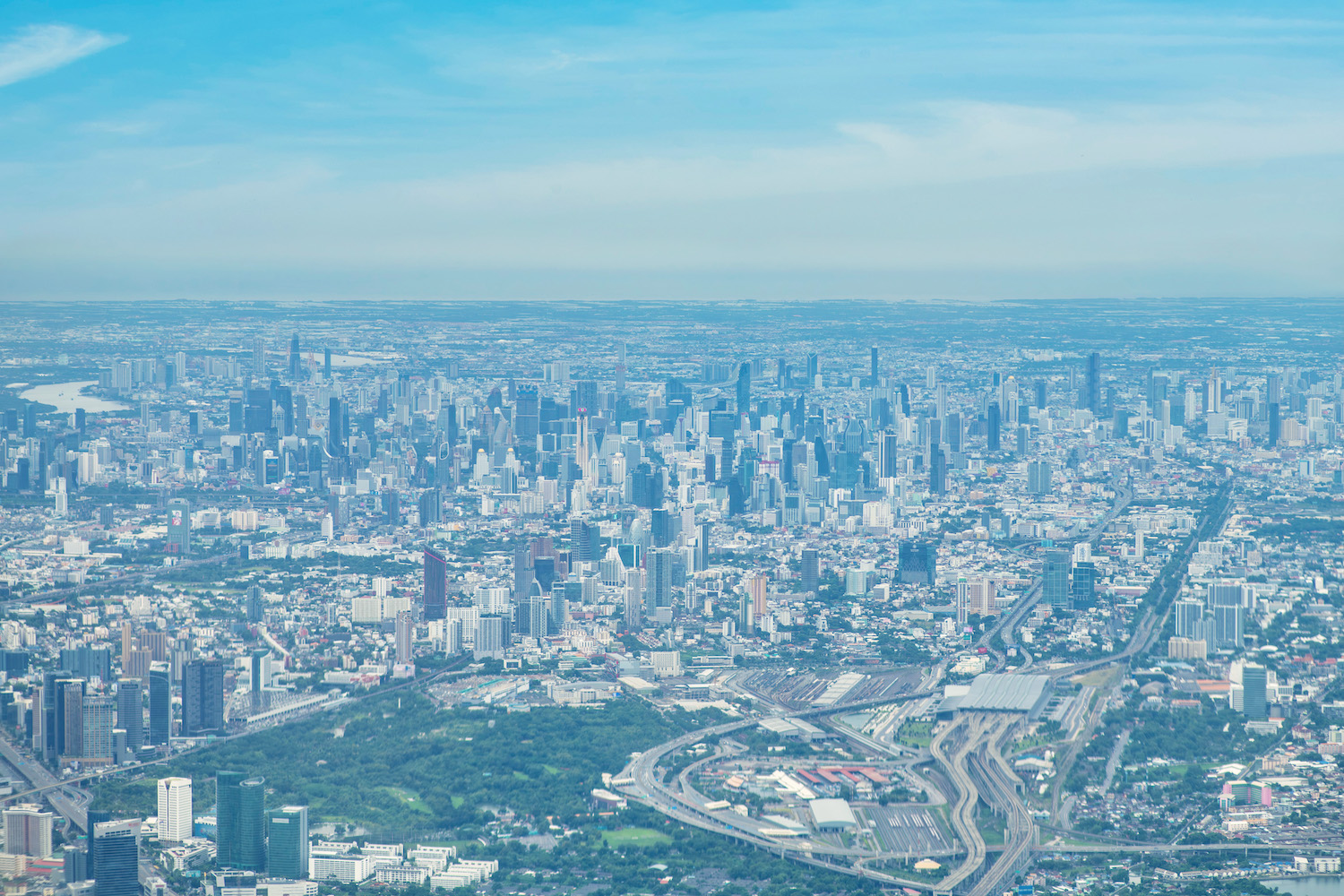
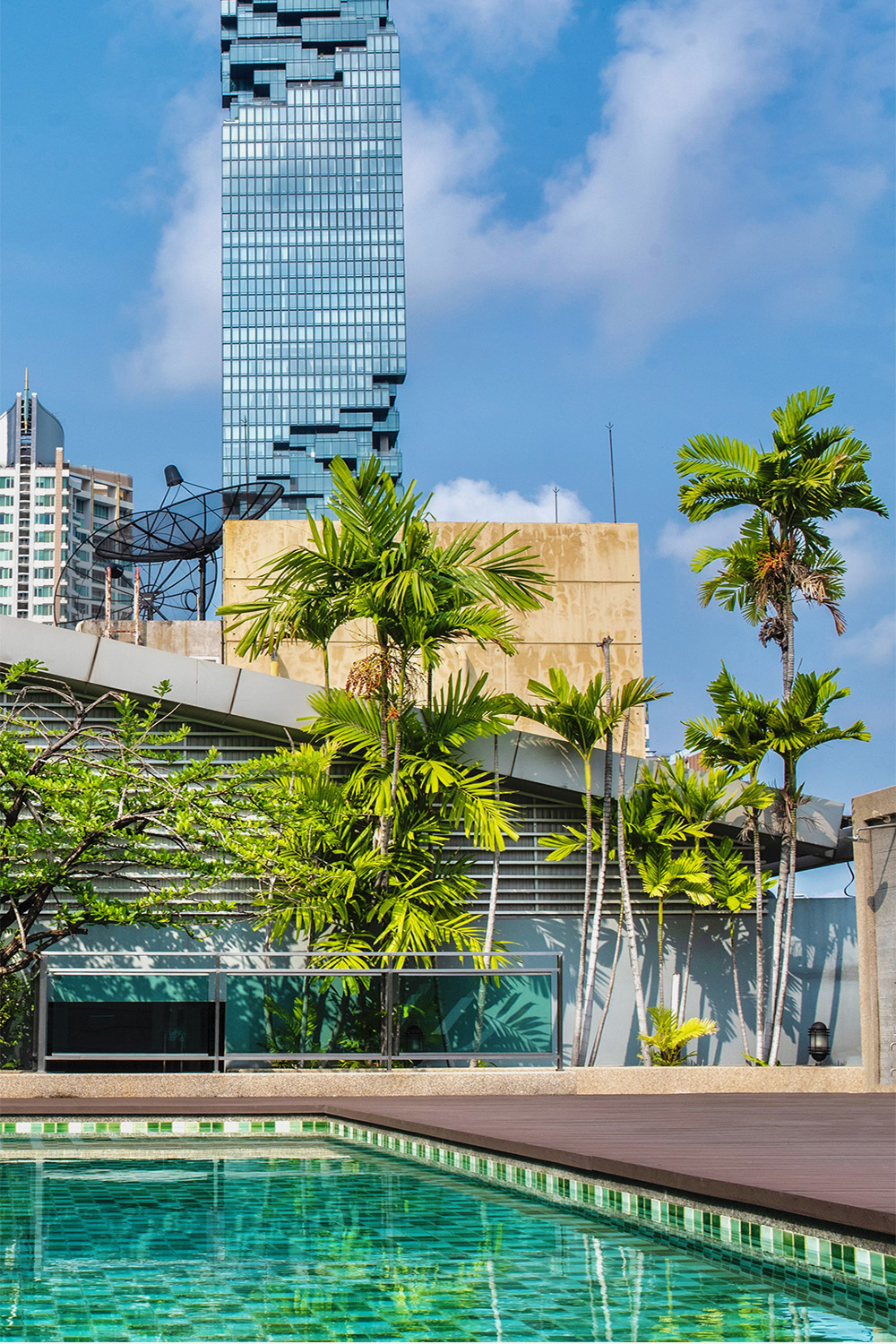
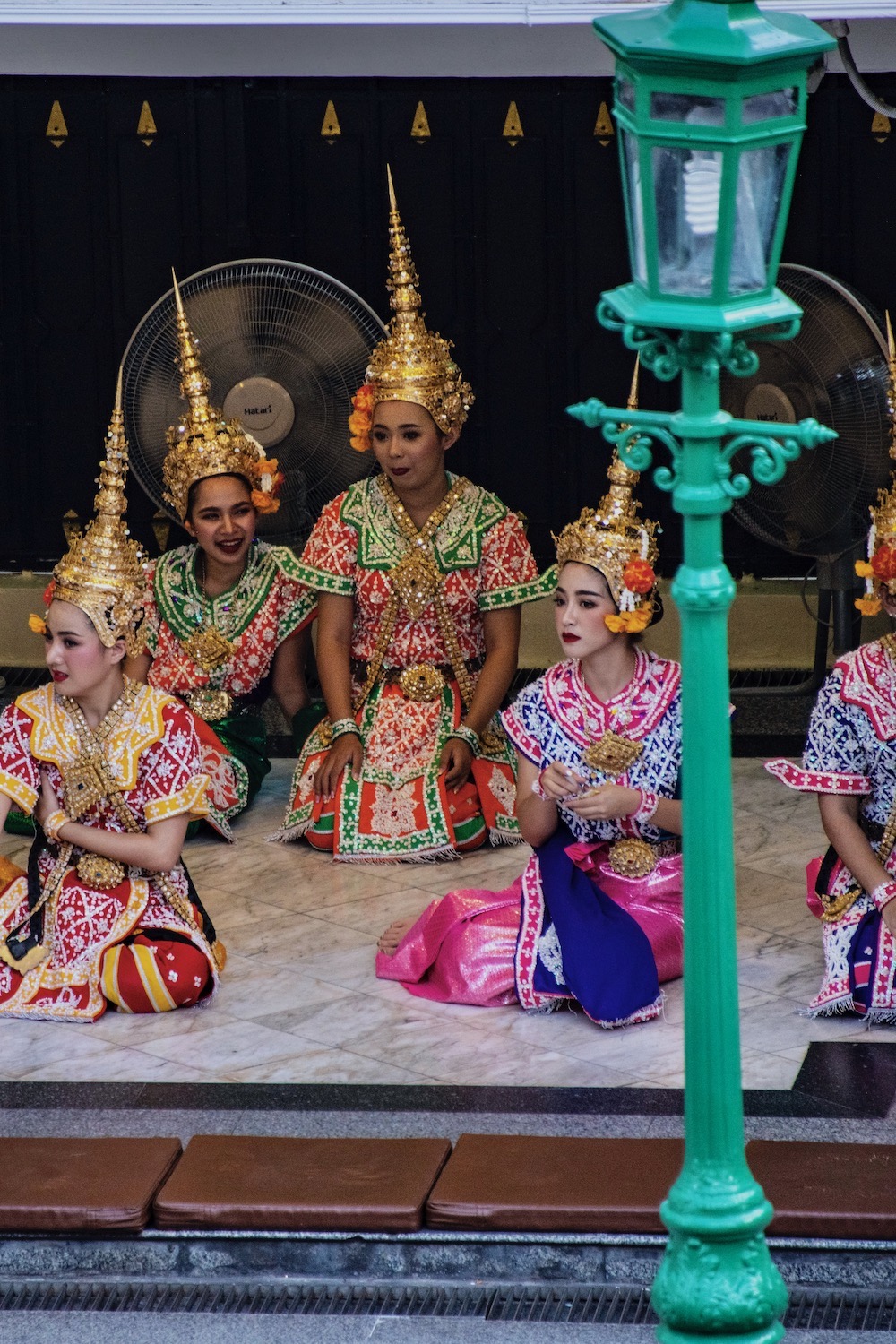


It almost goes without saying that you should begin your month in Thailand in Bangkok, if only to get over the intense jet lag you’re likely to feel. What’s less obvious is the fact that Thailand’s capital is absolutely worth a prolonged stretch of time, both in modern districts like Silom and Sukhumvit, as well as older districts like Rattanakosin and Thonburi and of course, any number of day trips you can take from Bangkok. Furthermore, I’m also a fan of “bookending”—in other words, adding a few days in Bangkok onto the end of your trip.
Continue northward to Chiang Mai (and beyond)
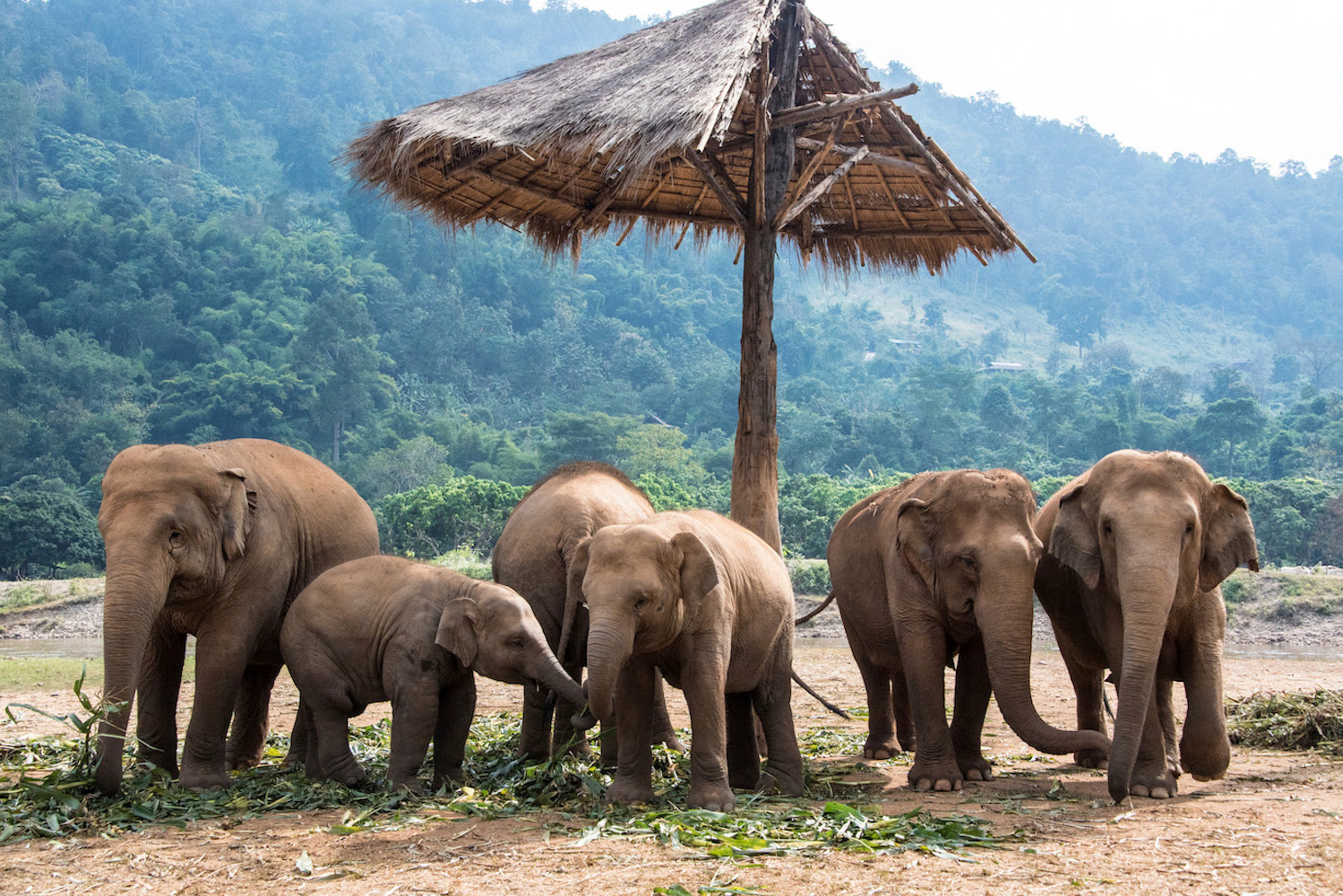


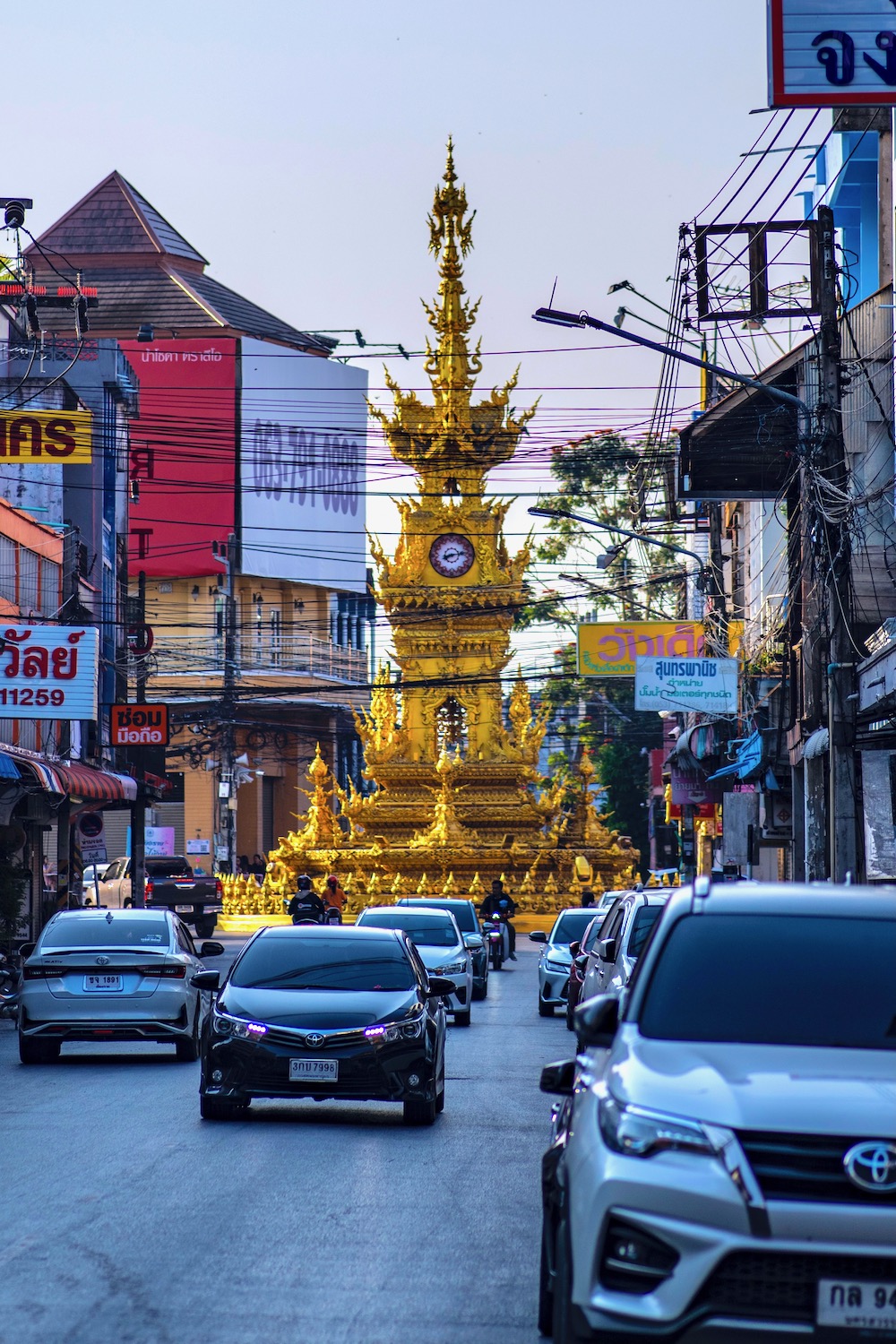
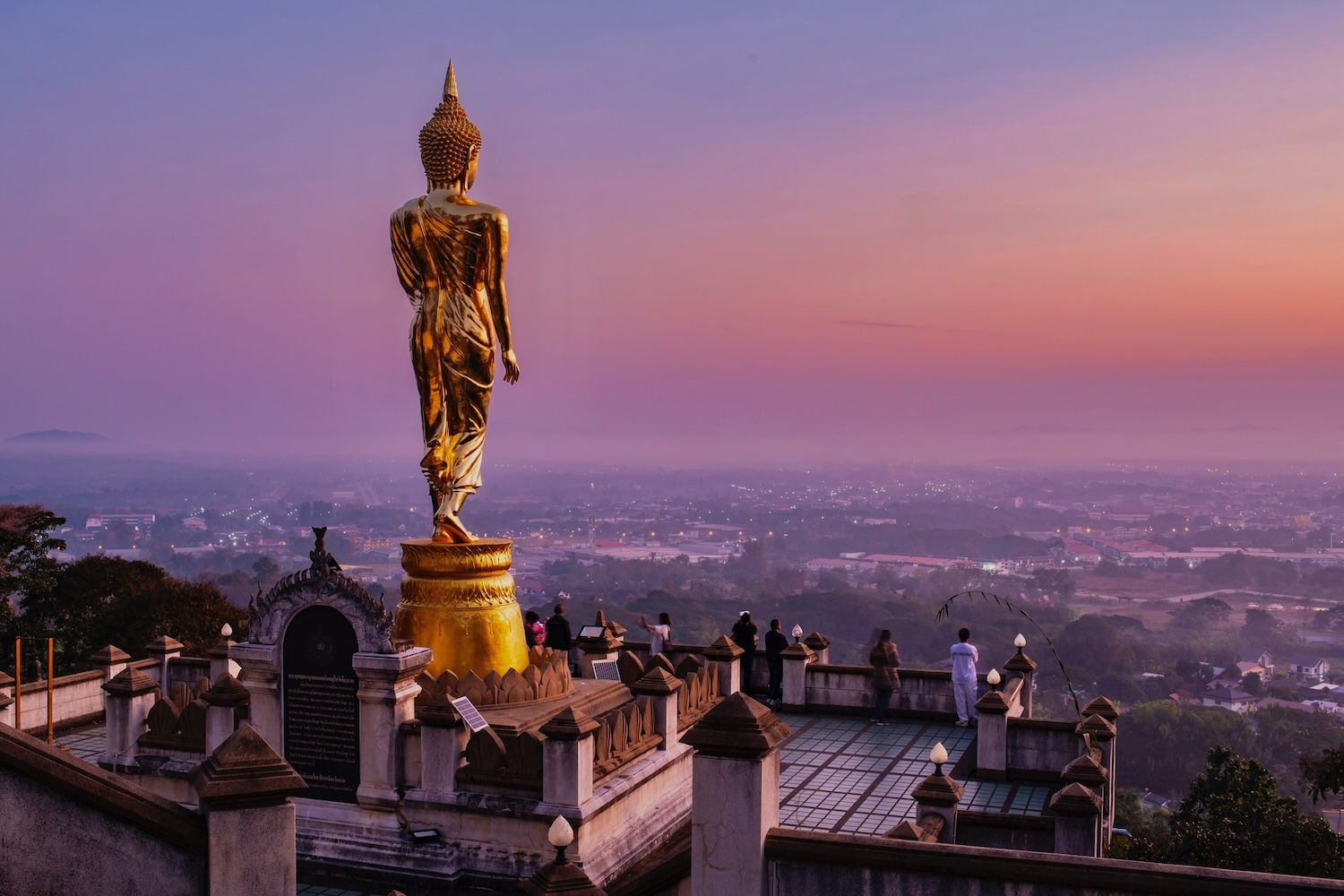
But let’s not get ahead of ourselves: We have one month in Thailand to allocate before we get to the end of it. In the vast majority of cases, this will continue by heading north, though you needn’t restrict yourself to Chiang Mai, or even to the adjacent alternative of Chiang Rai. Some travelers will head to sleepy Lampang, which I often say is like Chiang Mai must’ve been decades ago; others will head even further afield to provinces like Phayao and Nan, or westward to Pai and the Mae Hong Son loop.
Hit the surf
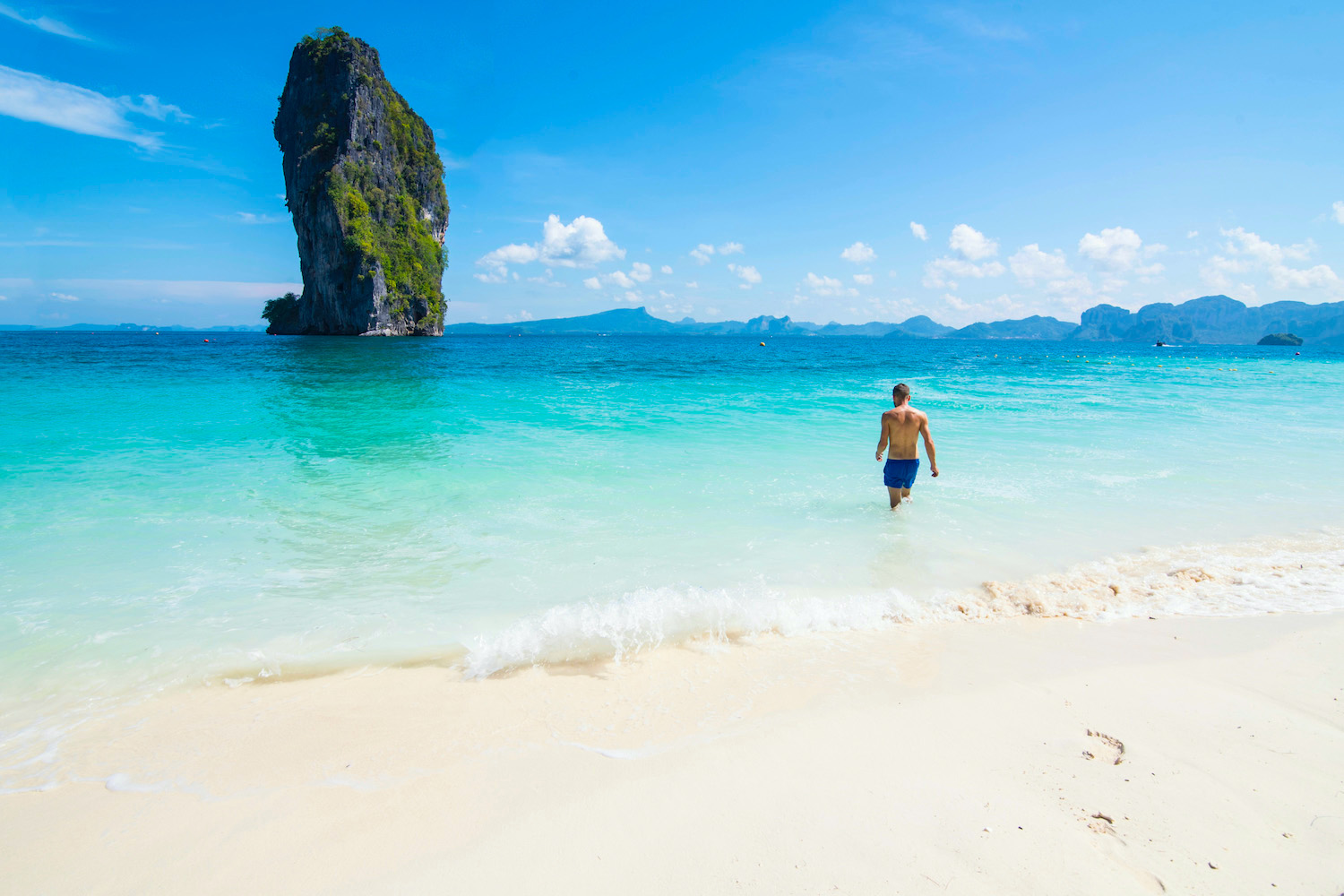
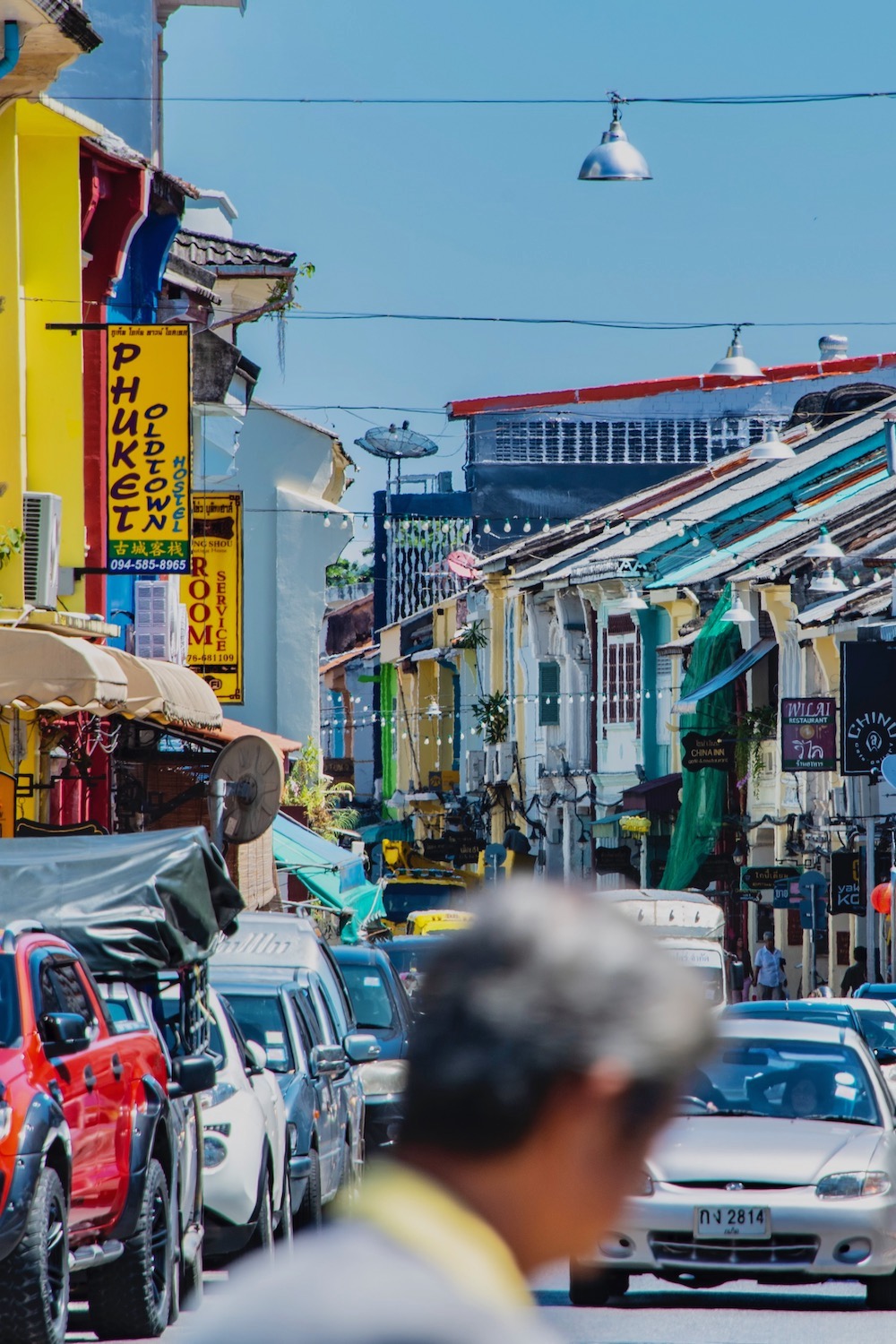

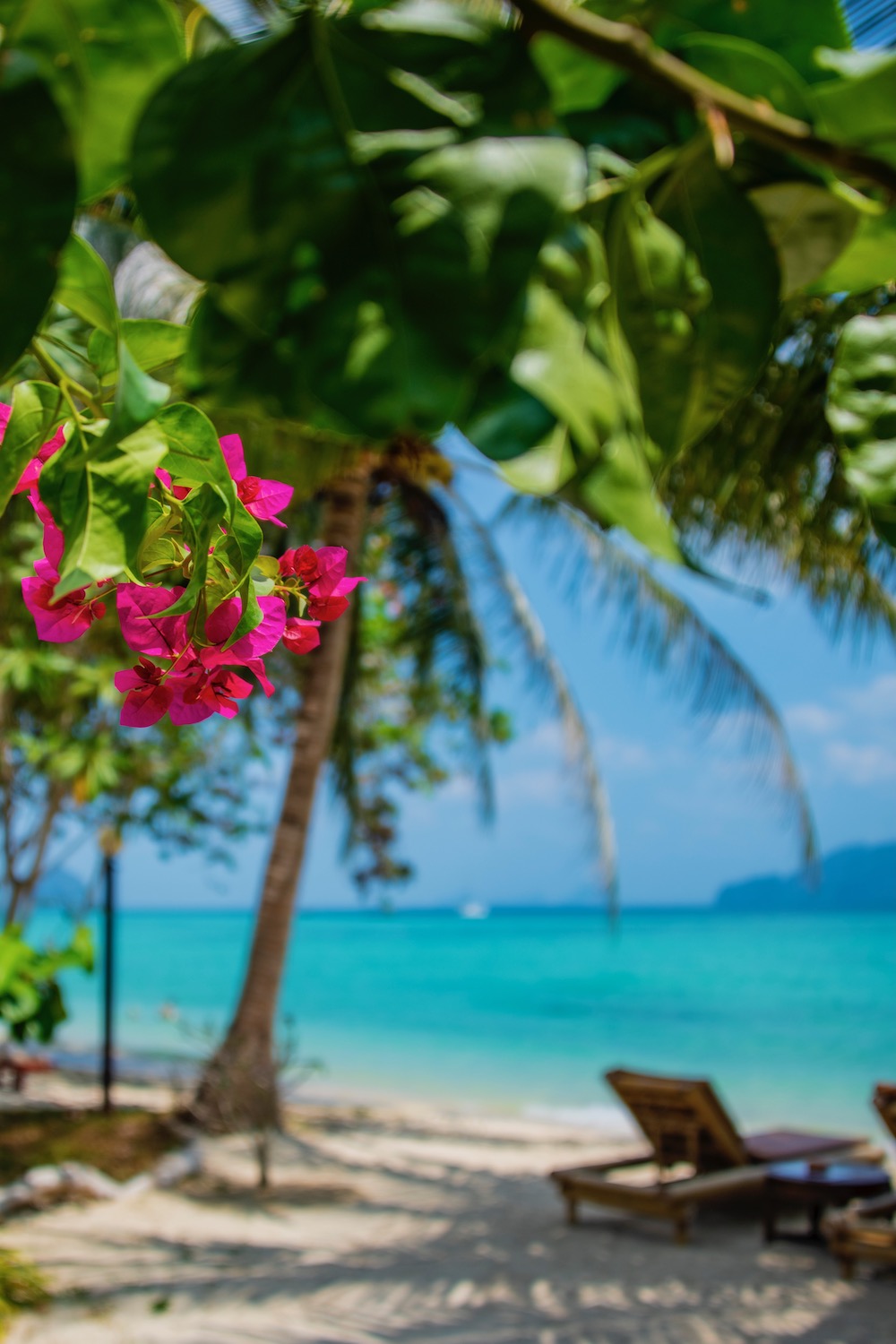

Likewise, after starting in Bangkok and ending north, the most logical way to continue a month in Thailand is on the beach. For most travelers, Thai beaches are synonymous with the Andaman Sea: Limestone karsts rising above the emerald seas of Krabi province; street food markets in the old town of Phuket. Others will go super local on Koh Lanta, while others will island hop from Koh Phi Phi via the underrated Trang archipelago all the way down to Koh Lipe. The sky…er, the sea is the limit!
(And not just on the Andaman side)

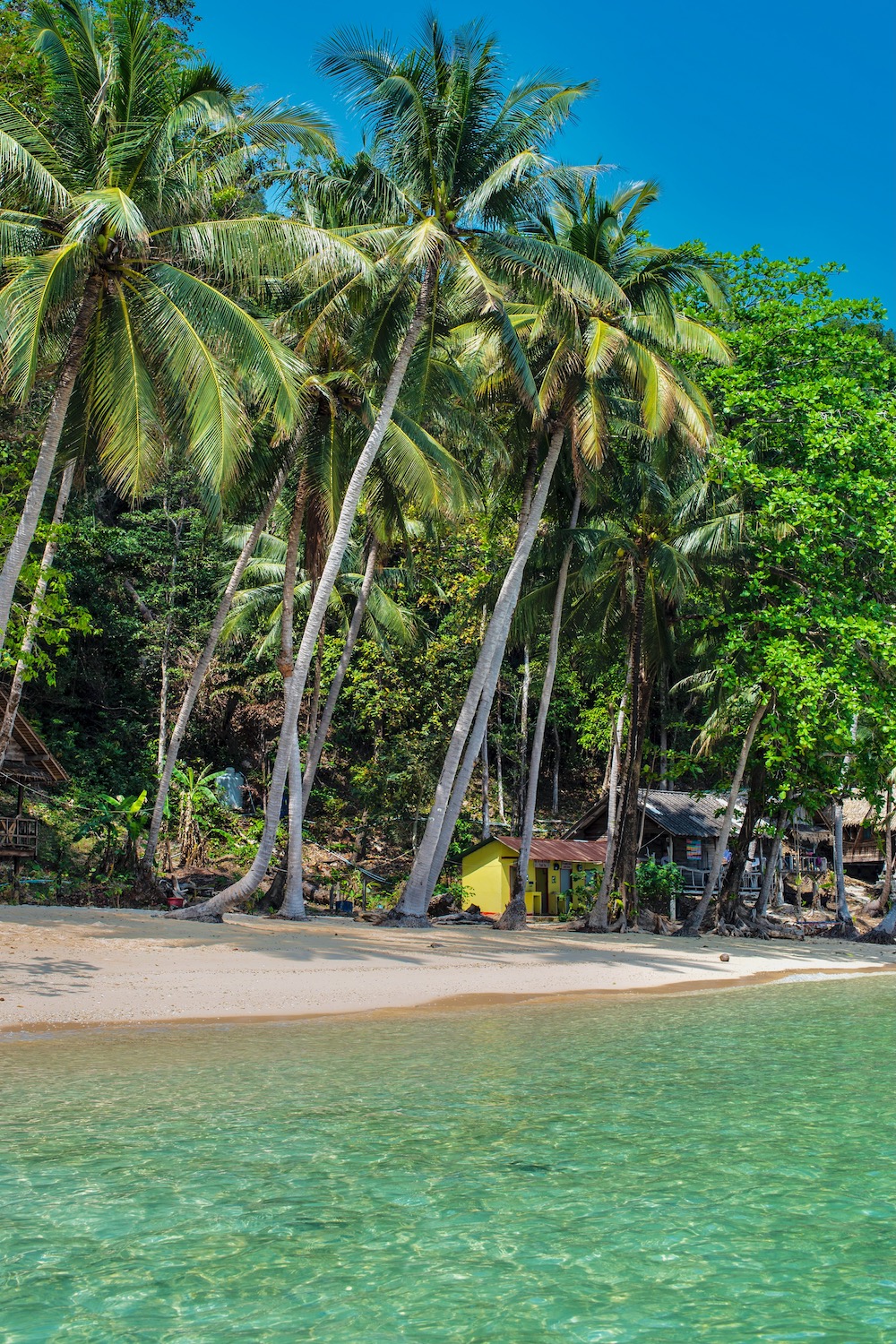

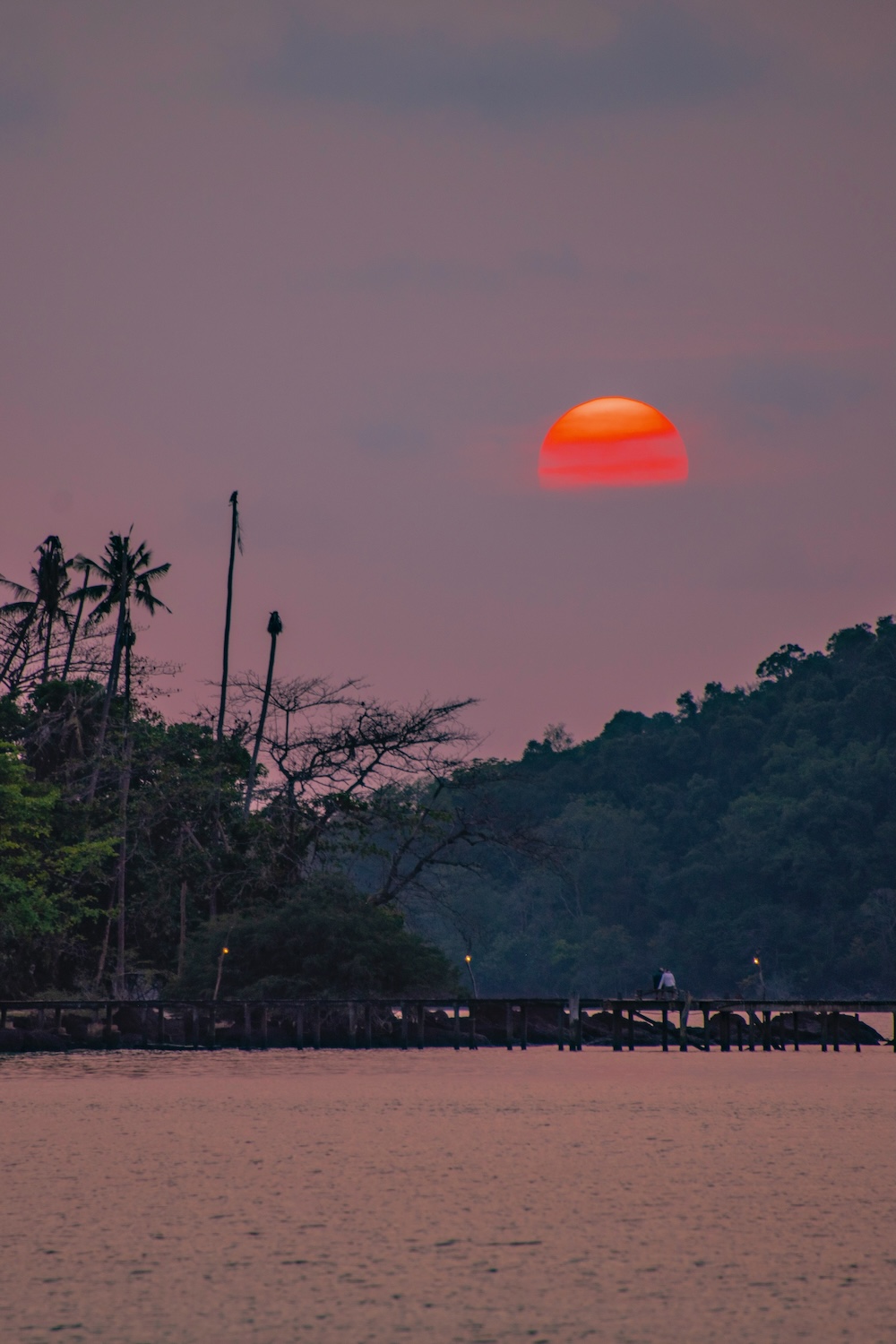
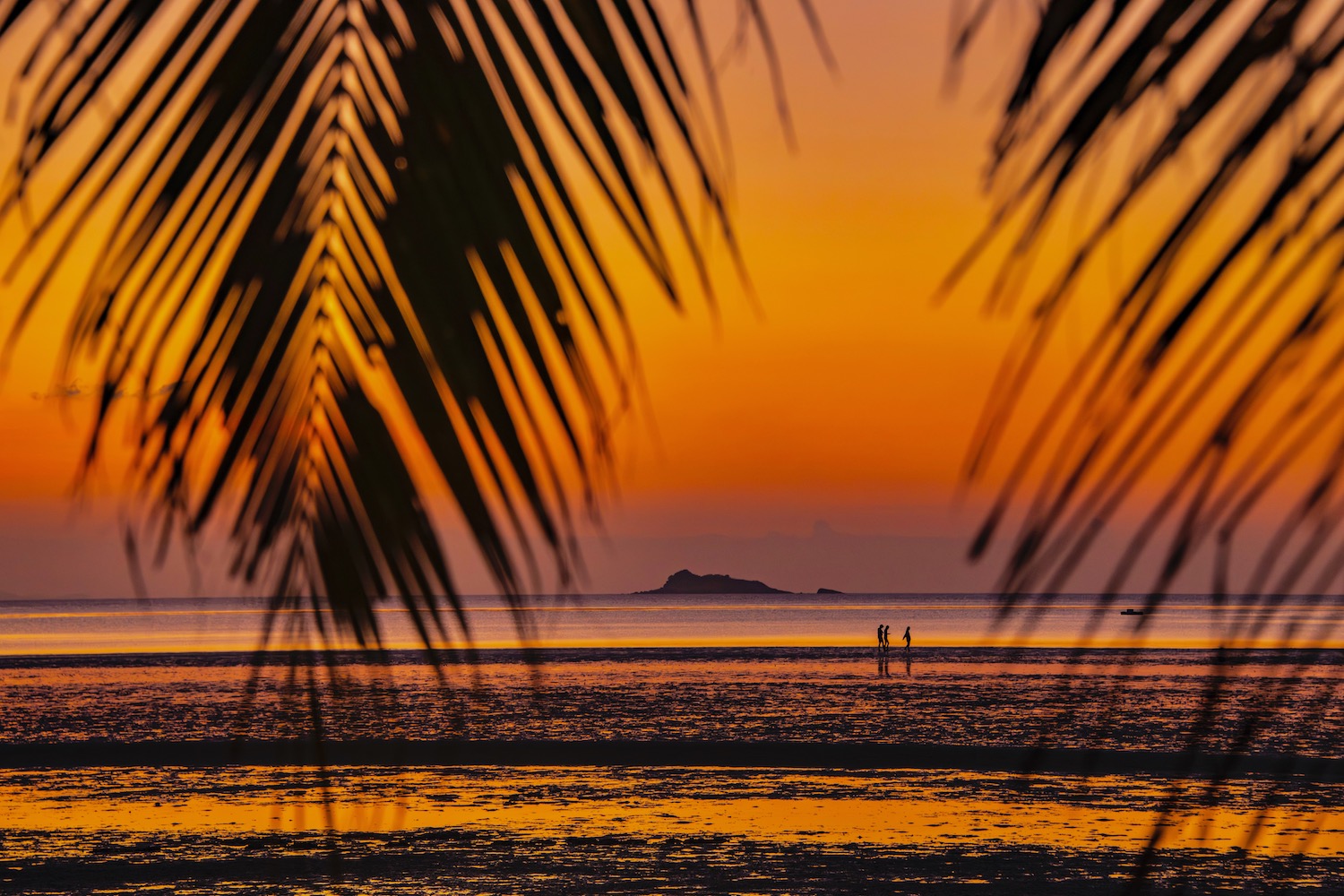
I probably prefer the “Andaman side” versus the Gulf of Thailand for various reasons, but that doesn’t mean you shouldn’t visit the latter—especially not if you have an entire month to play with. The obvious first choice in this part of Thailand is Koh Samui and the islands around it, namely Koh Tao and Koh Pha Ngan. Much further east, however, you have the Trat archipelago (i.e. Koh Chang, Koh Kood, Koh Mak and Koh Wai), as well as inland Trat Town, which is far more charming than it has any right to be.
Go legitimately off Thailand’s beaten path
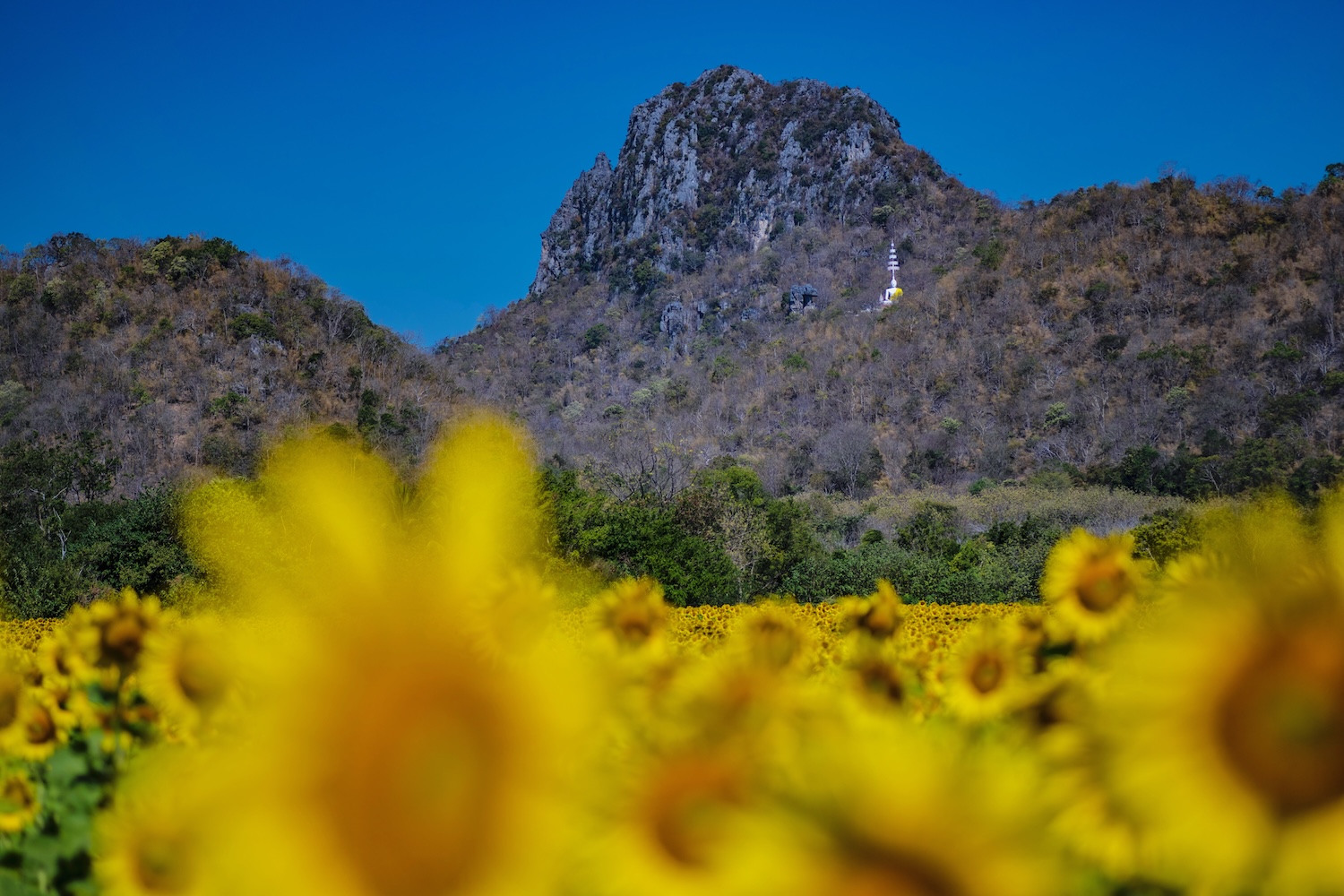
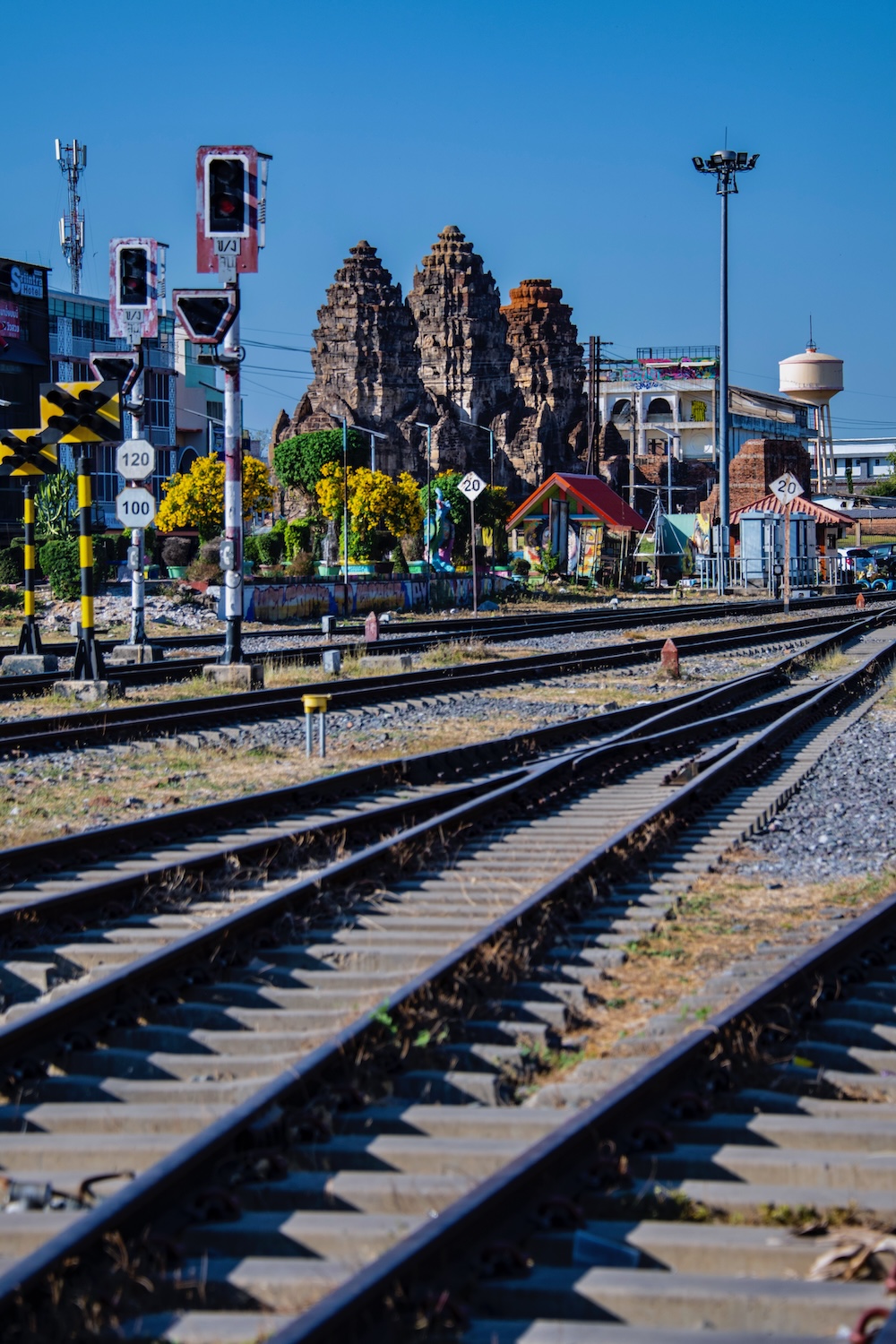
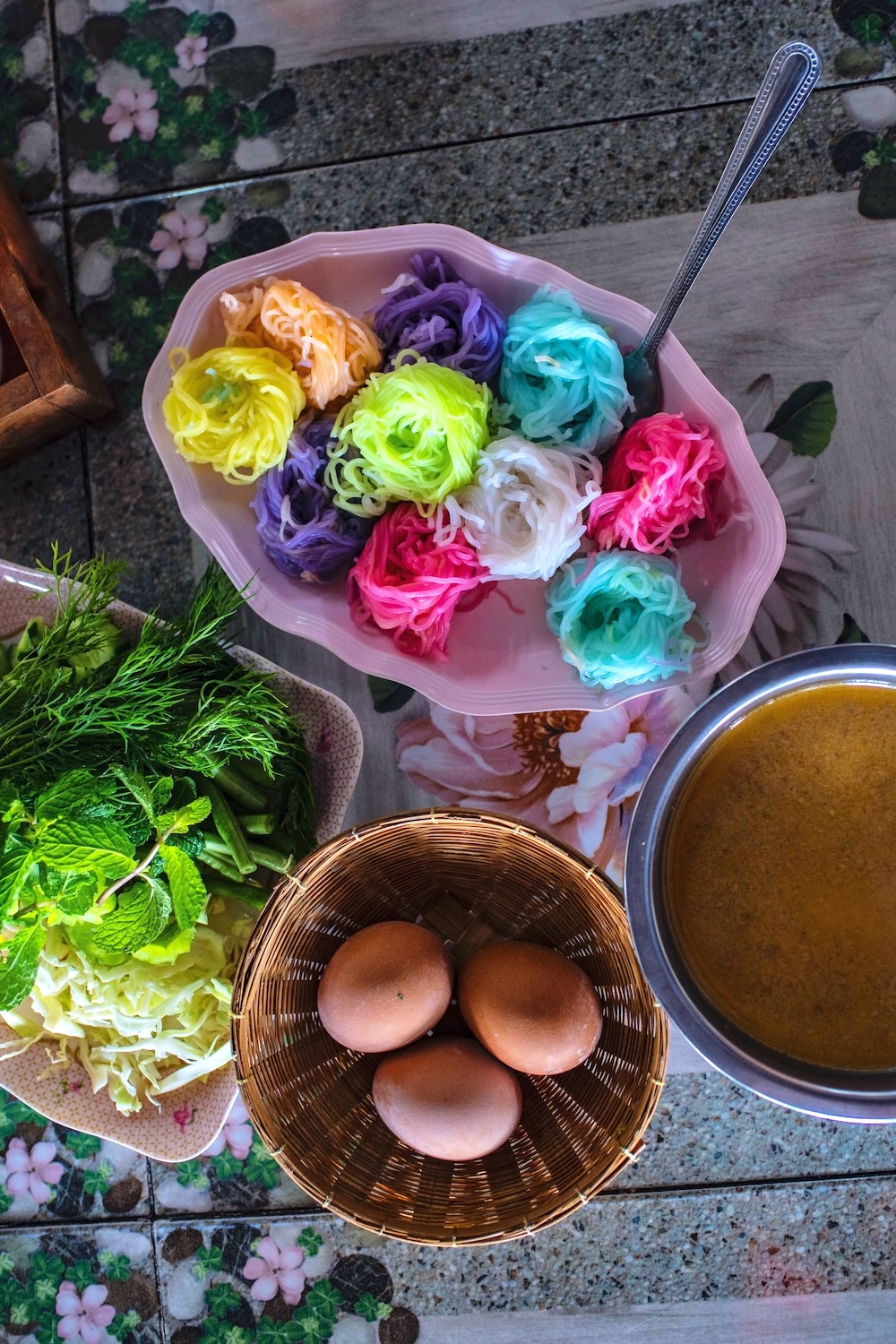


Finished up in Trat and want to visit someplace even more authentic? Take a bus to Chanthanburi, which is perhaps the most “real” province of eastern Thailand. Or head to the underrated northeast, aka Isaan, sometimes known as the “Texas of Thailand.” You can also find authentic Thailand in the far west (Tak, on the border with Myanmar, and its magnificent Thi Lor Su waterfall), and even more unadulterated parts of the south, from Hat Yai to Nakhon Si Thammarat. The reality, you see, is that when it comes to where to stay in Thailand for a month, options are almost endless.
Do You Really Need a Month in Thailand?
I’ll be honest: For a large majority of travelers, two weeks in Thailand is perfectly sufficient. It’s not enough to see “everywhere” in Thailand, or to hang around very long in one spot, but it’s enough time to get a taste of all Thailand’s many facets. (It’s also a good length of trip in general: Long enough that you don’t need to rush, but short enough that you don’t get burnt out.)
Which is not to say these options—two weeks or one month—are the only choices for how long to spend in Thailand. Although you theoretically need an onward ticket (not to mention the fact that most nationalities receive a maximum of 30 days upon arriving to Thailand), there is something to be said about taking a trip with no fixed duration in mind, whether you travel Thailand for a month or a year. Conversely, the “middle path” of three weeks in Thailand is worth looking at.
Other FAQ About Spending a Month in Thailand
How much money do you need for a month in Thailand?
The cost of spending 1 month in Thailand varies from traveler to traveler, but as of the late 2020s, I’d say you need a minimum of $2,000 (and ideally upwards of 4,500 USD) to live comfortably, not including the cost of international flights. This breaks down to between 70-150 USD per day, to cover accommodation, transport, food and activities.
How can I spend one month in Thailand?
I like to split a month in Thailand up between regions. The most common way is to start with 3-5 days in around Bangkok, before heading north to Chiang Mai and Chiang Rai, where you’ll spend at least a week. Some travelers follow this up with a few days in the Isaan region, while others head south to enjoy the last half of their month in Thailand, dividing it between mainstream island destinations like Phuket, Krabi and Koh Samui, and more off-the-beaten path options like the Trat and Trang archipelagoes.
What’s the cheapest month to travel to Thailand?
Your core 1 month in Thailand cost is going to be roughly the same no matter what part of the year you visit. However, rainy months between about July and September are slightly cheaper, as are “shoulder” months such as May, June, October and November, which are sandwiched between dry, cool peak periods (i.e. December-April) and the hotter, wetter Thai summer.
The Bottom Line
One month in Thailand isn’t enough to go everywhere and see everything, but you can visit all of Thailand’s major regions with this amount of time. Presuming “bookends” of about three days in Bangkok on either end, this allows you to devote at least one week each to “The North” and “The Islands,” with some room for variation as well. Some travelers, for example, will go off the beaten path in Thailand’s northeastern Isaan region. Others will maximize their time down south, splitting two weeks between the Gulf of Thailand and Andaman Sea sides, or even taking more culturally-focused trips that spotlight the interior of Southern Thailand. Need personalized help figuring it all out? Commission a custom Thailand itinerary today!